

Meet the Team
Principal Investigator: Dr. Whitney Wood
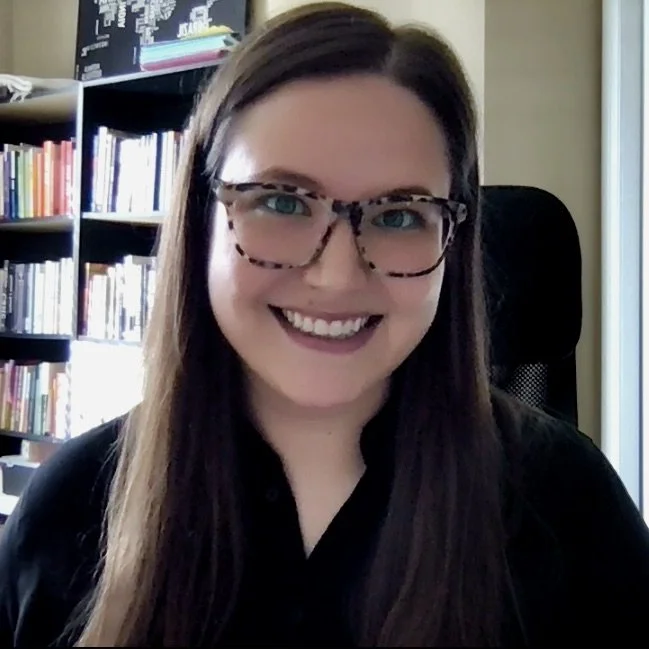
Canada Research Chair in The Historical Dimensions of Women's Health
Department of History, Vancouver Island University
Email: whitney.wood@viu.ca
Dr. Whitney Wood is Canada Research Chair in the Historical Dimensions of Women's Health at Vancouver Island University (VIU). She earned her PhD in History from Wilfrid Laurier University (part of the Tri-University Graduate Program, with the University of Waterloo and University of Guelph) in 2016, and completed Social Sciences and Humanities Research Council of Canada and Associated Medical Services postdoctoral fellowships at Birkbeck, University of London and the University of Calgary before joining VIU in 2019. At VIU, she teaches courses on the history of medicine, gender and sexuality, and history of the body, and also serves as English-language editor of the Canadian Journal of Health History / Revue canadienne d’histoire de la santé.
A historian of gender, health, and the body in 19th and 20th century Canada, Wood's research focuses on representations and experiences of obstetric and gynecological pain. Her work has explored histories of pregnancy and childbirth in modern Canada, including research on obstetric violence (“‘Put Right Under’: Obstetric Violence in Postwar Canada,” Social History of Medicine) and the history of childbirth technologies and maternal evacuation (forthcoming, Bulletin of the History of Medicine). Extending her work from the history of obstetrics to the history of gynecology, she is principal investigator of the collaborative and cross-disciplinary Pelvic Health and Public Health in Twentieth Century Canada (PH | PH) project, funded by a Canadian Institutes of Health Research Project Grant (2023-2028). Additional patient-oriented research and PH | PH patient-engagement activities are generously supported by a Patient Engagement Supplement Grant from the Guiding interdisciplinary Research On Women’s and girls’ health and Wellbeing (GROWW) CIHR Health Research Training Platform.
Wood’s pelvic health histories research centres past and present experiences of pelvic health issues, pelvic pain, and pelvic health activism. In collaboration with project co-investigator Dr. Karissa Patton, she has studied the history of breast and cervical self-examination as a tool of feminist health activism in late-twentieth century Canada (“‘Doctors Aren’t Familiar with Your Tissues: Self-Examination and Feminist Health Activism in 1970s Canada,”Canadian Historical Review), and continues work on the history of the pelvic examination as a site of potential medical and sexual violence, feminist resistance, and gynecological teaching reform.
Research Team


-
School of History, Classics & Archaeology, University of Edinburgh
Dr Agnes Arnold-Forster is a historian of science, medicine, healthcare, and the emotions. She has published widely on the history of chronic illness, surgery, nursing, nostalgia, feminism, hospital beds, romance fiction, and reproduction. She is a Chancellor's Fellow at the University of Edinburgh and is currently researching the history of urinary tract infections. She tweets from @agnesjuliet.

-
Department of History, University of Manitoba
Prof. Esyllt Jones, FRSC, is a historian of socialized health care and 20th century health equity movements. She began her career working on pandemic influenza, particularly the impact of the 1918-1919 influenza pandemic upon working families, labour struggle, and processes of grief, memory and mourning. As part of the PH | PH project team, she is working with the Women’s Health Clinic in Winnipeg, to preserve their history as advocates for gender health equality. She will be conducting oral history interviews with staff and volunteer advocates from the 1980s and 1990s, focusing on pelvic health care provision and feminist models for health care organization. Prof. Jones teaches at the University of Manitoba, where she is a member of the History Department, and the Department of Community Health Sciences.

-
Centre for Biomedicine, Self and Society, University of Edinburgh
Karissa Robyn Patton (she/her) is a historian of gender, sexuality, health, and activism. Patton is a White Settler woman who grew up on Treaty 7 territory and the the homeland of the Siksikasitapi peoples, where she completed her her BA (2013) and MA (2015) in History from the University of Lethbridge. In 2015 she made Saskatoon and Treaty 6 Territory her home as she earned her PhD in History (2021) the University of Saskatchewan, where she won the USask’s Doctoral Dissertation Award in Humanities and Fine Arts in 2021. She currently lives in Edinburgh, Scotland, where she works as an Interdisciplinary Research Fellow at the Centre for Biomedicine, Self and Society.
Her work uses reproductive justice frameworks, oral history interviewing, and engagement methodologies, with a focus on bring the past in conversation with present day reproductive and sexual health matters. She is especially interested in histories of feminist health activism in the late 20th century. Her work on the PH | PH project explores how feminist health activists conceptualized rights and responsibilities in the shifting political and healthcare landscapes of the 1970s and 1980s. Alongside her work on the PH | PH project, she is researching a comparative history of reproductive healthcare and activism in Scotland and Prairie Canada between 1967 and the 1980s. You can find her some of her published work in Bucking Conservatism (open access) in the Canadian Journal for Health History, the Canadian Historical Review, and the edited collection Compelled to Act. And, you can watch for her forthcoming book, Reproductive Rights & Responsibilities (McGill-Queen’s University Press).
She’s held postdoctoral research fellowships at the University of Edinburgh (2022-present) and Vancouver Island University (2021-2022). Throughout her doctoral and postdoctoral work she’s received research grants and awards as from SSHRC, AMS, CRIAW/ICREF, and the British Academy. She’s also taught courses and supervised students in the history of health and medicine, oral history, and women & gender studies. And, in 2021 she developed and taught the inaugural Oral History Summer Institute at the Centre for Oral History & Tradition at the University of Lethbridge.

-
I was born in the seaside district of Shuwaikh, Kuwait, a major commercial port and home to the water desalinization plant serving Kuwait City. My Sikh family lived in nearby Salmiya, a multicultural coastal city that was nearly destroyed during the 1990 Iraqi invasion that sparked the Gulf War. At age four, I contracted bacterial meningitis and became deaf. Two years later, we immigrated to Toronto, where I began school for deaf and hard-of-hearing children before entering mainstream public education. I then studied philosophy at York University before shifting from a brief career in fashion merchandising and marketing to pursue graduate studies at the Institute for the History and Philosophy of Science and Technology at the University of Toronto, where I received my MA (2008) and PhD (2015). I held several fellowships, including at the Max Planck Institute for the History of Science and Brock University, before my academic journey took me to the University of Delaware in 2018. In 2025, I joined the University of Victoria.
I describe myself as a scholar activist because I use my research as a tool for influencing public discourse and policy. My work centers on disability in the history of science, technology, and medicine and I am especially interested in how people designed, modified, or adapted technologies as a radical resistance against medical perceptions of disability. I explore these themes in my books, Hearing Happiness (2020) and Echoes of Care (2025) and my next book (with Dr. Coreen McGuire), Standards of Pure Science examines how disability became central to state medical research in interwar Britain. Currently I am working on my Tangled Tendrils: A History of Endometriosis which examines how everyday pain of endometriosis shapes disability experience; part of my study is funded by a CIHR grant to investigate feminist health networks who distributed information about the disease. The second project, Objects of Disability (also with Dr. Coreen McGuire) aims to deepen our understanding of disability through material culture.
-
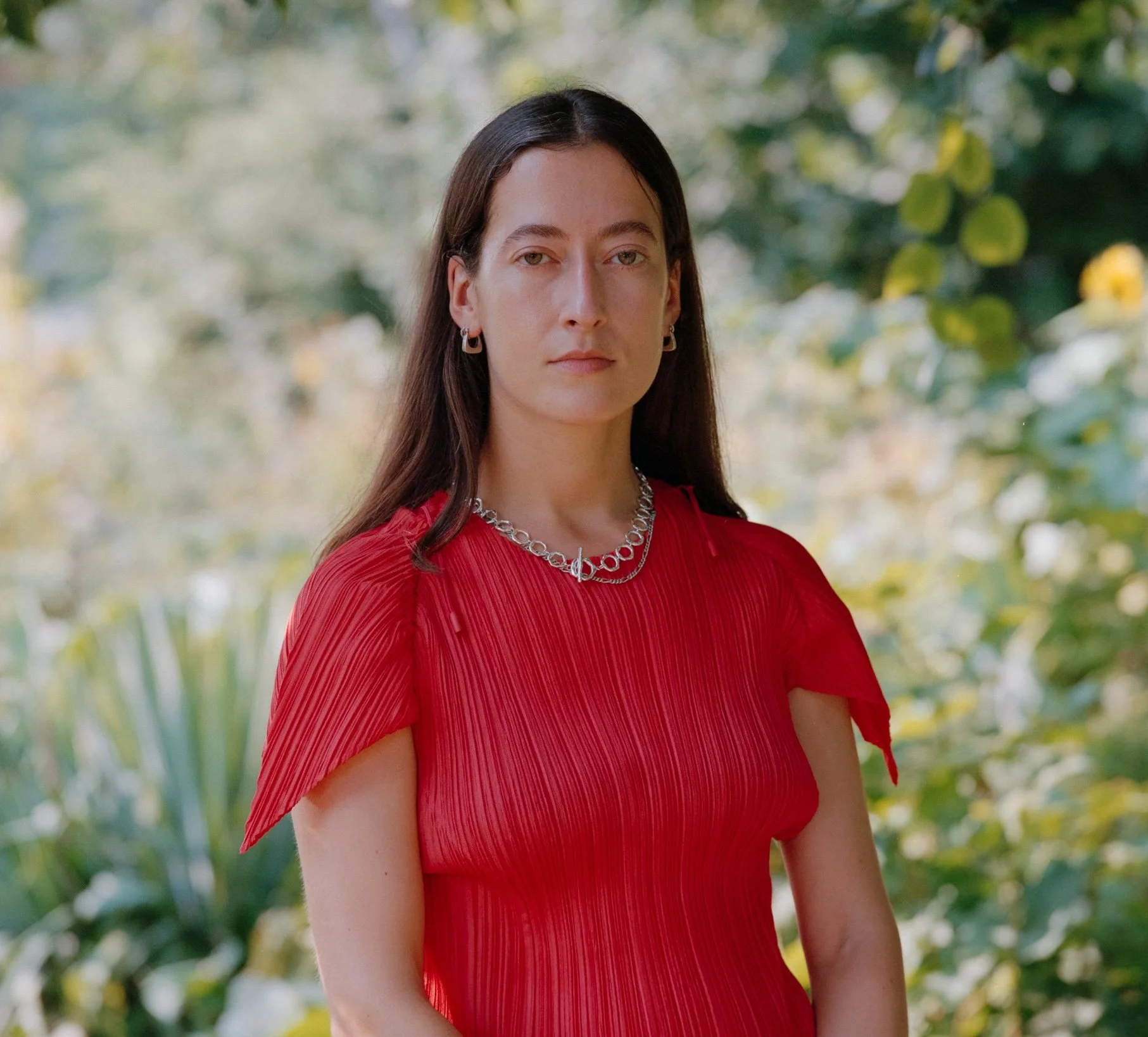
Post-Doctoral Fellow
Dr. Georgia Haire is a historian of health and medicine. Her research focuses on gendered experiences of health, sexual and pelvic pain, self-help, and everyday healthcare. As a Postdoctoral Research Fellow on the PH | PH team, she is exploring experiences of vaginismus and pelvic pain in late-twentieth century Canada.

-
School of Social Work, University of Calgary
Dr. Patricia (Patti) Johnston is a White settler and Assistant Professor at University of Calgary’s Faculty of Social Work (Central and Northern Region located in Edmonton, AB). She has worked with Inuit youth, women, and families for almost two decades. To her research, Dr. Johnston brings a knowledge of the challenges facing northern rural and remote communities (i.e., structural, economic, infrastructure-based, policy-based, geographical etc.). She has worked on-call as a first responder (social worker) in over 10 communities in Arctic Canada, program facilitator and educator, a supervisor of social programs, and as a policy specialist before entering academia. Having lived in the Northwest Territories, Nunavut and more recently, as part of a project in Alaska, her work is informed by an intimate understanding of the social, economic and health inequities experienced by Inuit and northern Arctic Indigenous peoples. Dr. Johnston’s focus on community-based participatory socio-health research aims to support Inuit well-being, self-determination, and governance.
-
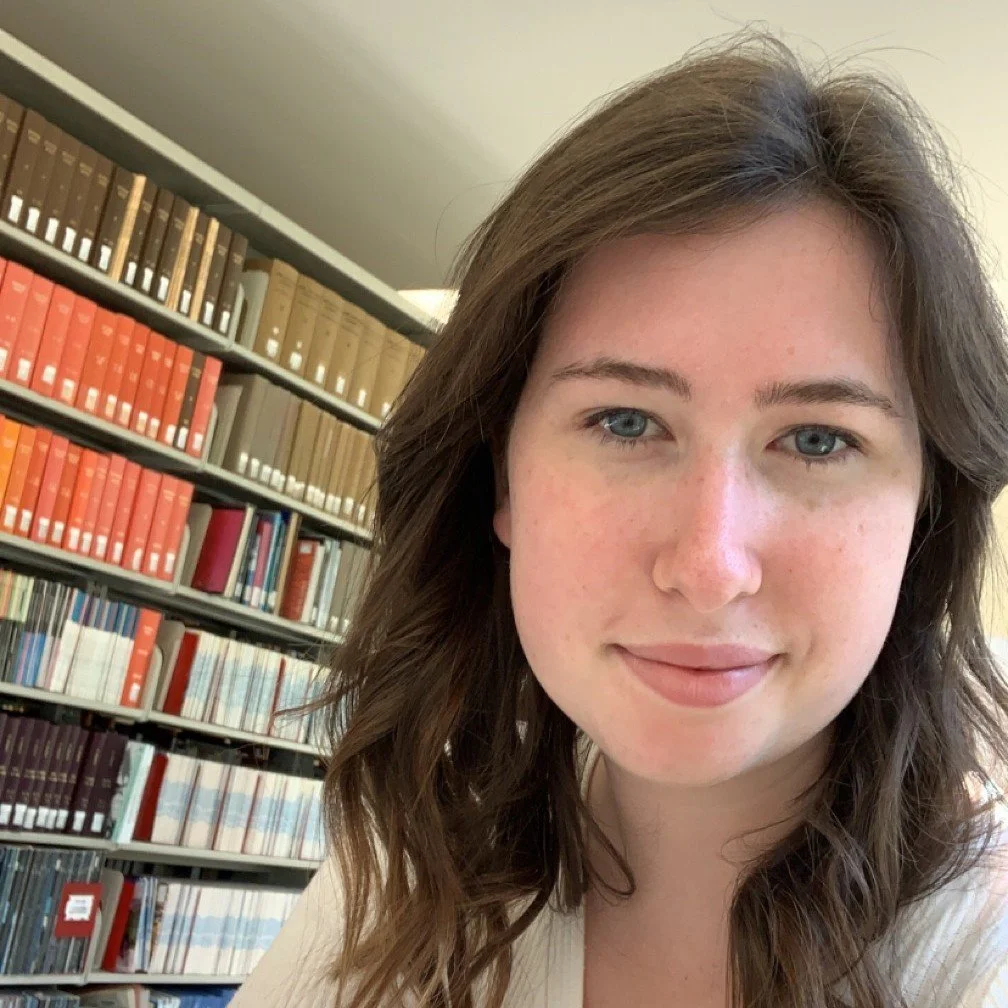
Elise is in her third year of undergraduate studies Majoring in History and Minoring in Politics Studies.
elise.cullon@viu.ca
-
Department of Obstetrics and Gynecology, University of Calgary
Erin Brennand, MD is a gynecologist and specialist in female pelvic medicine and reconstructive surgery, and an Associate Professor in the University of Calgary’s Obstetrics & Gynecology and Community Health Sciences departments. As a physician-scientist and advocate for women’s health, she leads the Alberta Sex, Gender and Women’s Health Hub, and is co-lead of the national GROWW Training Program.
-
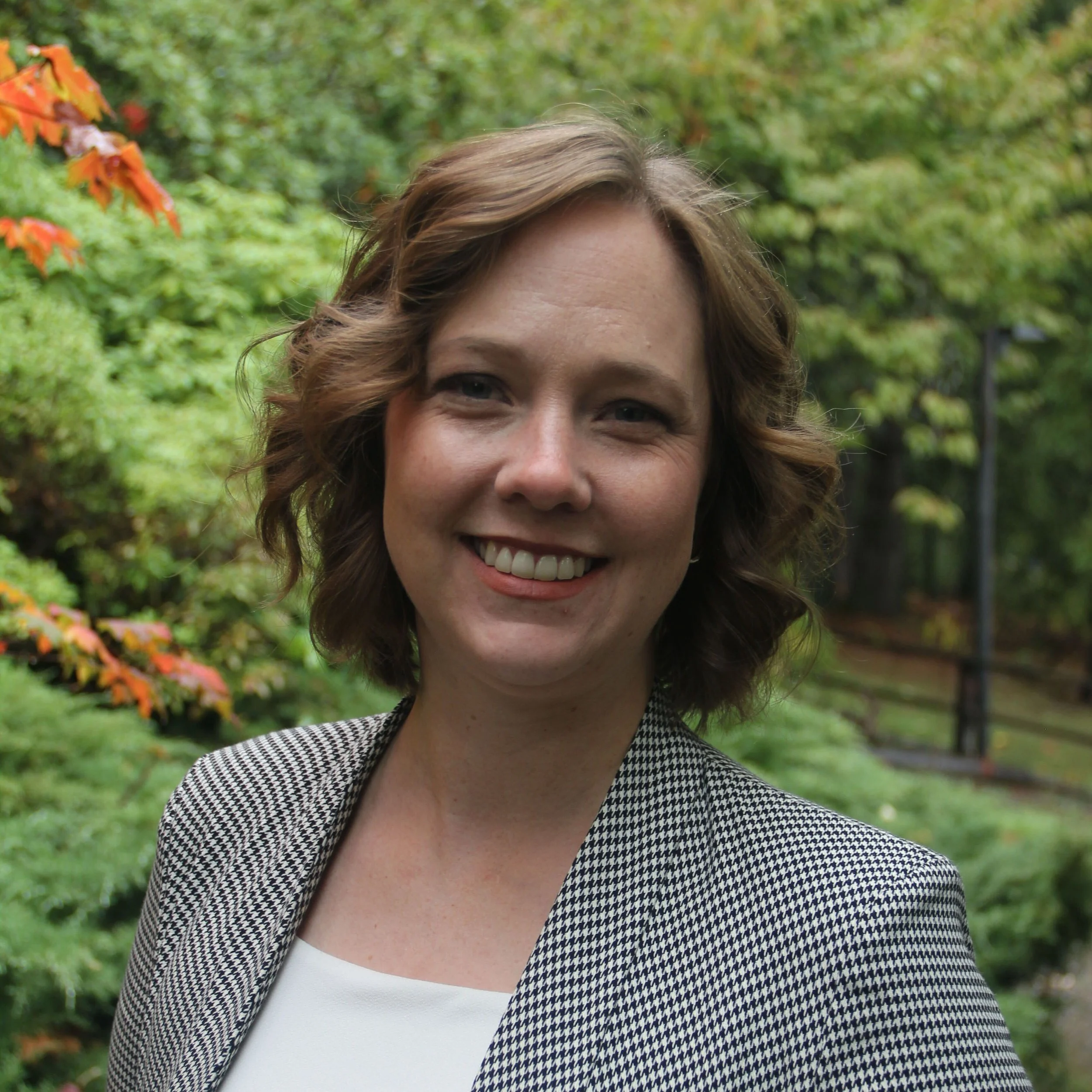
Research Assistant, Vancouver Island University
As one of the project’s two research assistants, Katie assists with digital archiving, website maintenance, patient partner workshops, and a myriad of other miscellaneous tasks.
Katie completed a Bachelor of Arts with English Honours at Vancouver Island University in 2024. She is now continuing her studies at VIU to purse a Post Baccalaureate Degree in Education. When she isn’t studying or working on the PH PH project, you will find her taking dance classes, at the curling rink, or curled up at home with her dog and husband.